
AI for business
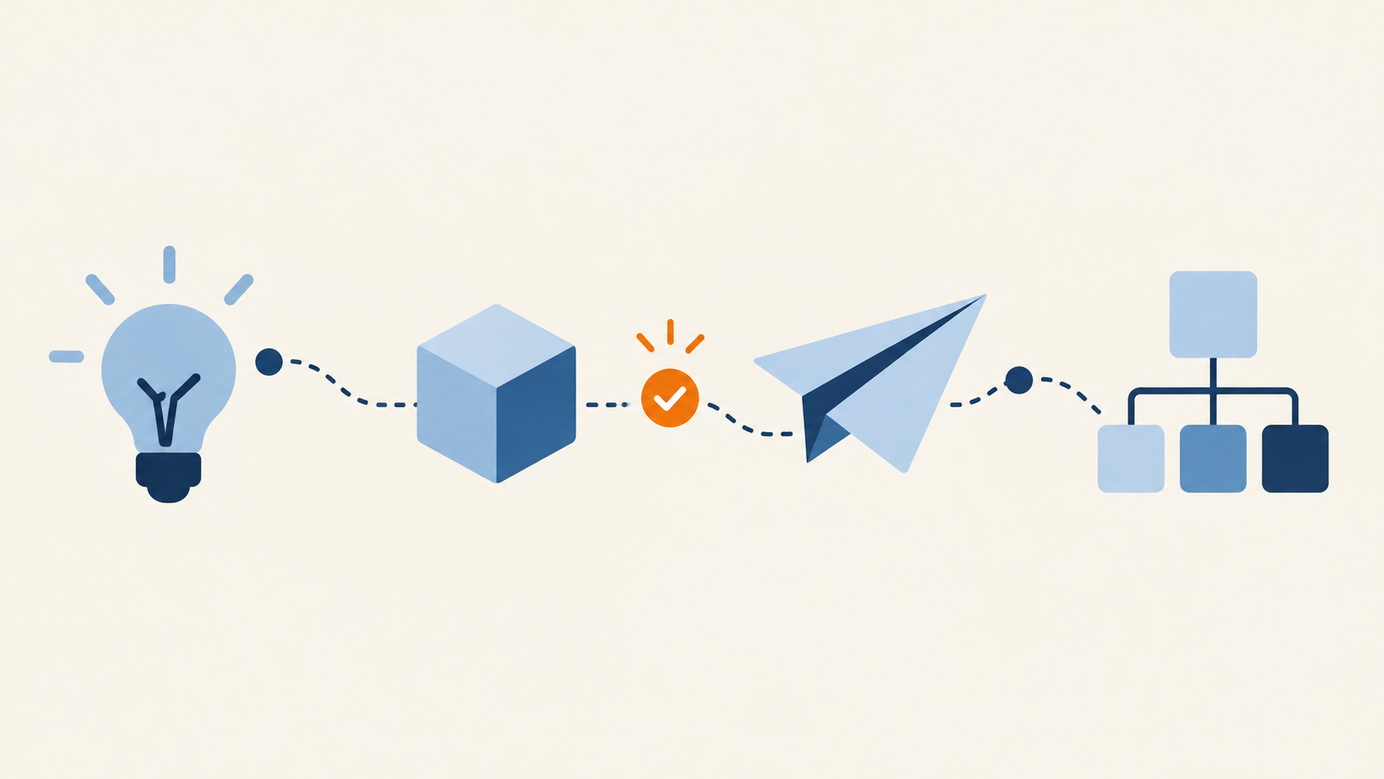
From Idea to Scale: A Four-Stage Map for Building a Company With AI Agents Paid Members Public
A plain-language map of the four stages of building a company with AI: what each stage is for, how to know you are ready to move on, and how to use agents safely.
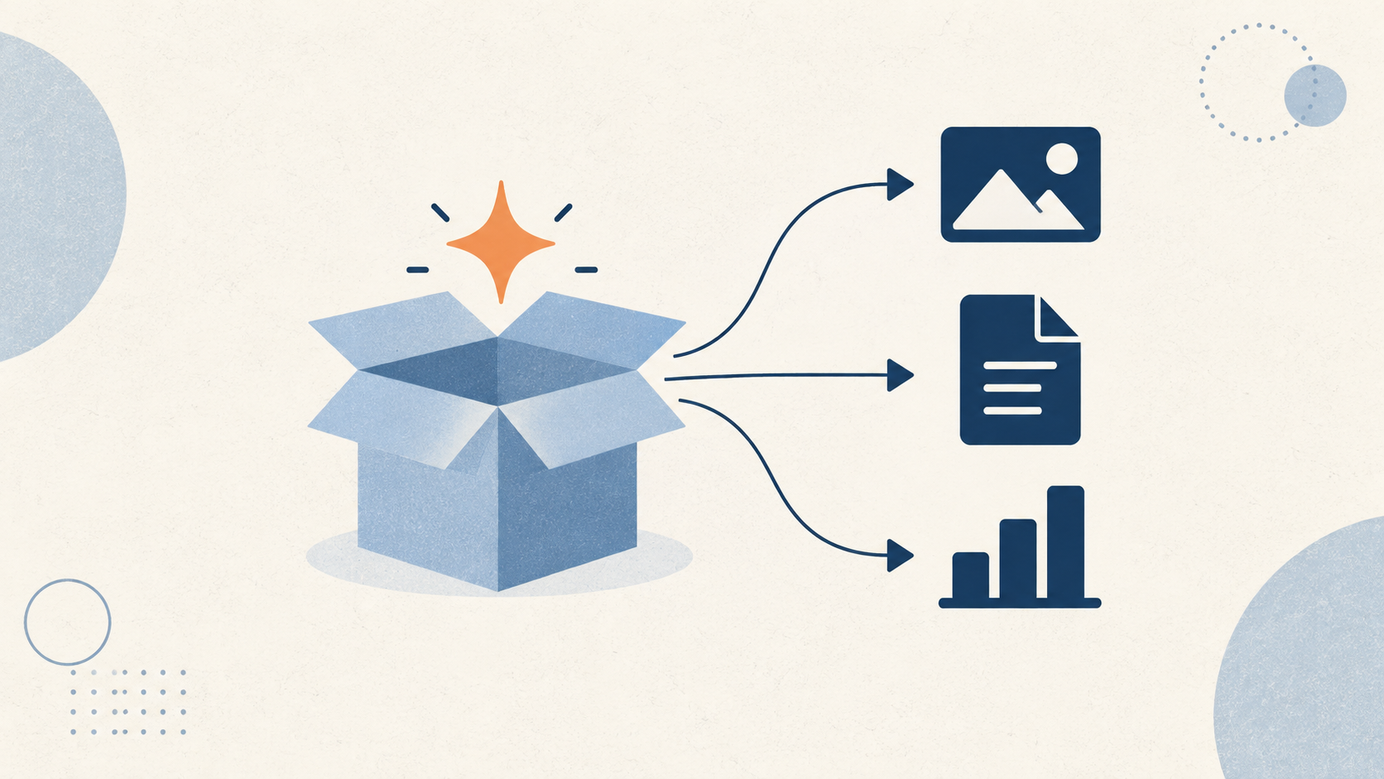
What is generative AI (Gen AI) and what is it for? Paid Members Public
Until recently, AI in companies was invisible and kind of boring: it classified things (“is this email spam?”) and predicted things (“which customer is about to leave?”). Generative AI changed the game because it does something different: it creates.
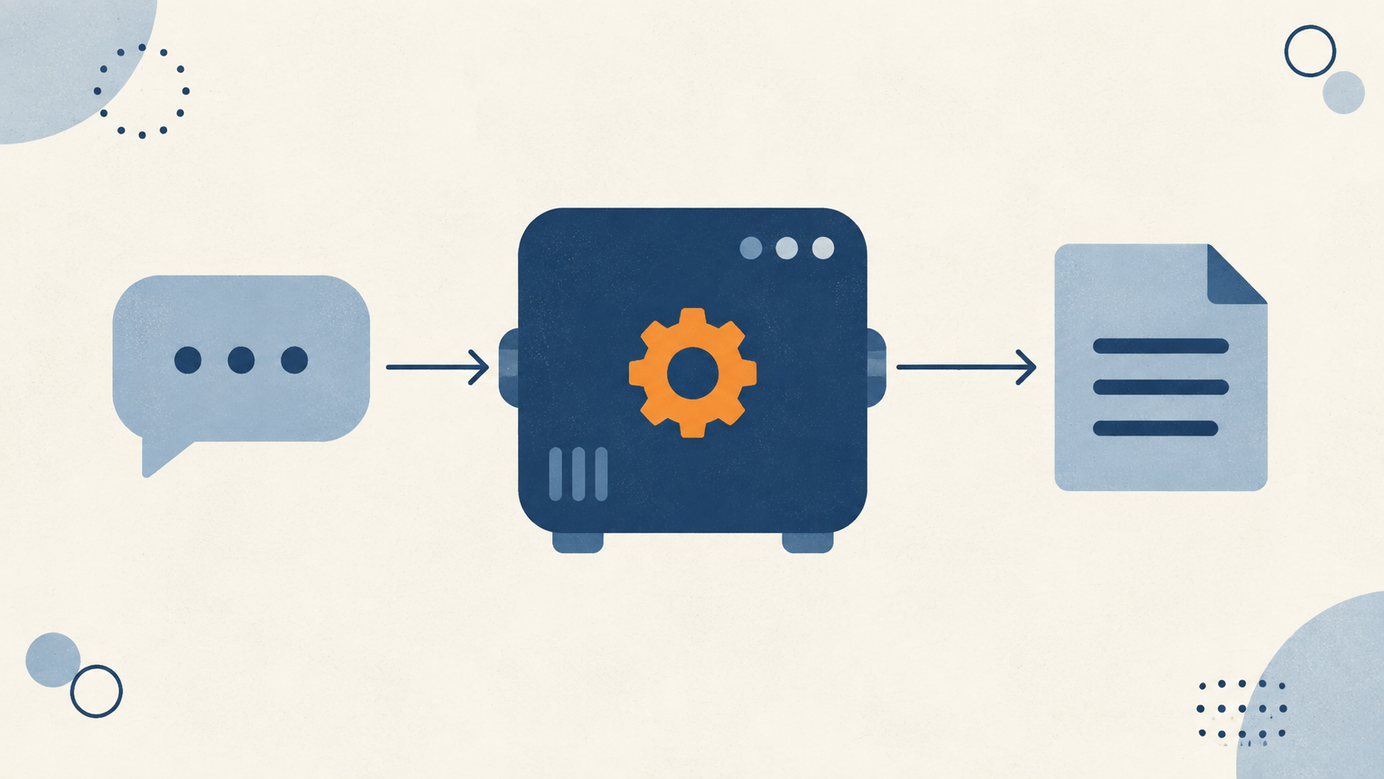
What is an LLM and what is it for? Paid Members Public
If you've used ChatGPT, Claude or Gemini, you've already met an LLM; nobody just introduced you properly. LLM stands for Large Language Model. It's the software “brain” behind almost all the AI you hear about today.
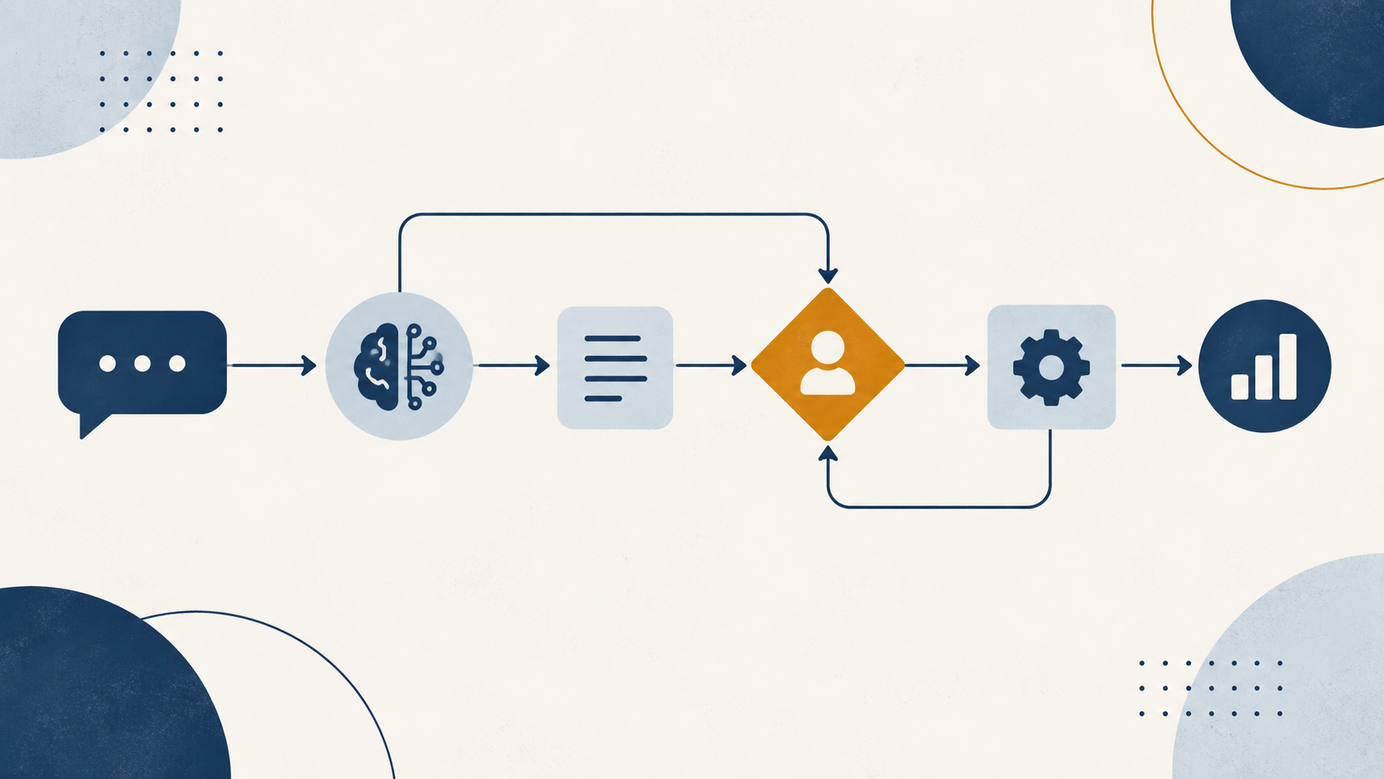
From AI chat to AI work: what the September 2026 agent announcements mean for your business Paid Members Public
Ask an AI chatbot to summarize a customer complaint. It gives a useful answer. You still have to find the order, decide whether to offer a refund, update the customer record, and send the reply.
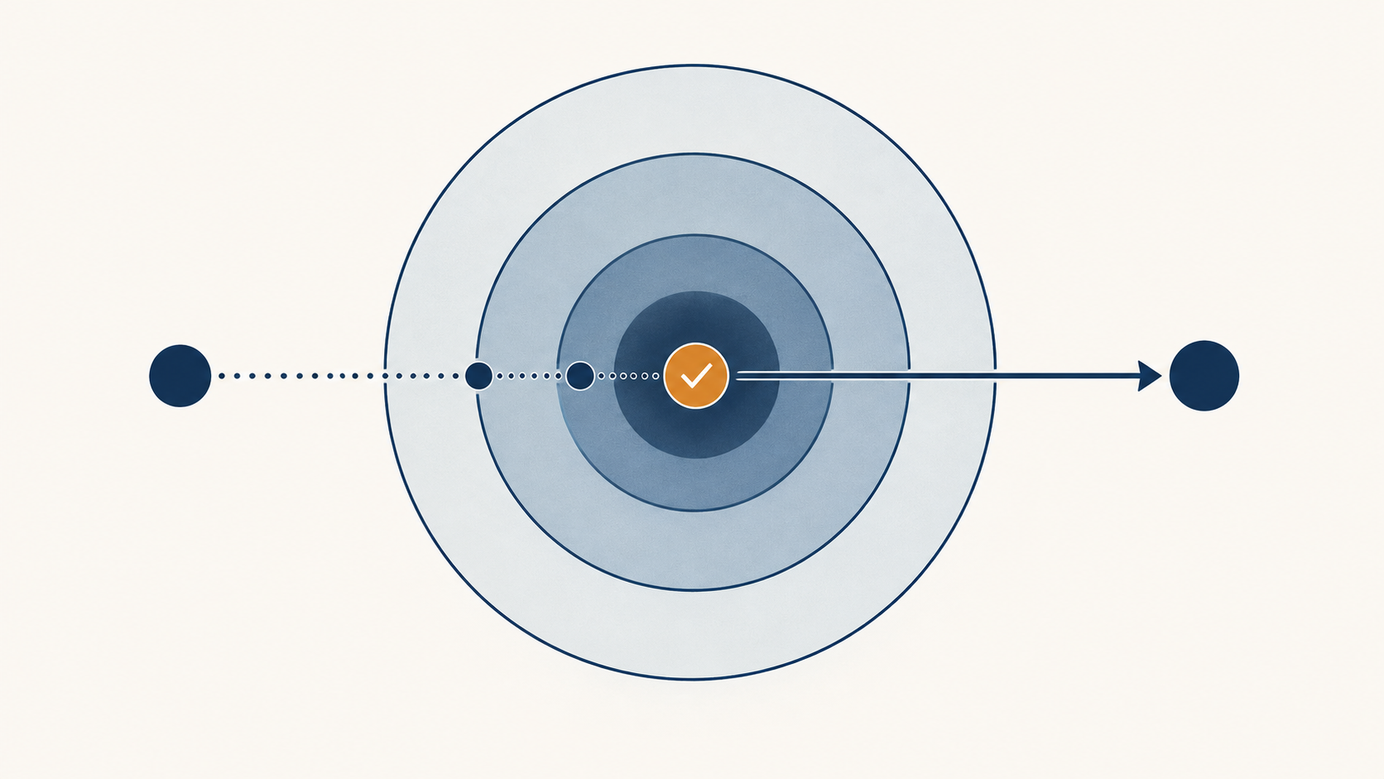
How much authority should you give Copilot Autopilot in your business? Paid Members Public
Short answer: start with the least authority needed for one defined job. A tool that can follow conversations, pick work back up and act in applications should not automatically be allowed to approve spending, answer customers or change records. Begin with read access.
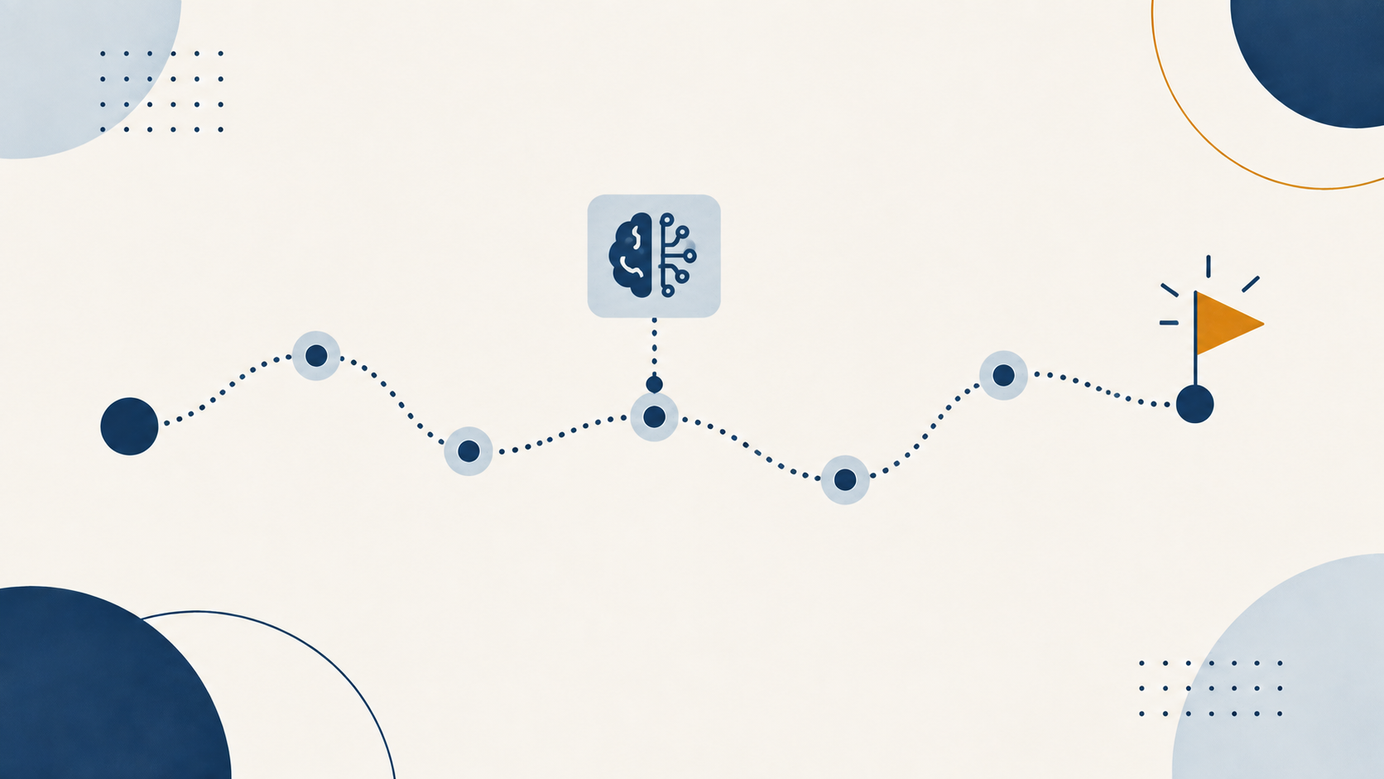
Does OpenAI's Agents API change your company's roadmap? Paid Members Public
Short answer: not by itself. An API may reduce the technical work of building an agent, but it cannot decide which process is worth improving, which data it may touch or who is responsible when it fails. Pick a workflow with a measurable problem first, then compare tools.
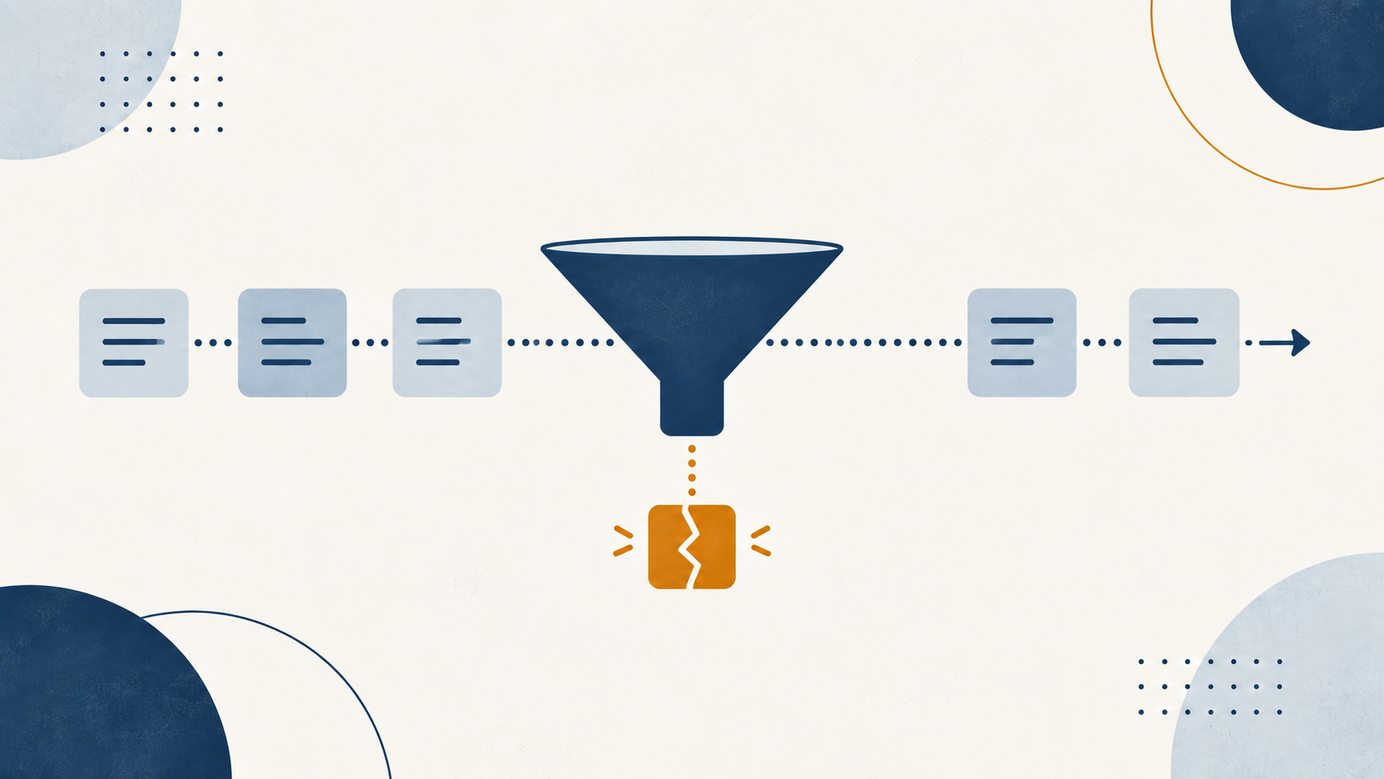
Can Work IQ use your company data without amplifying its mistakes? Paid Members Public
Short answer: it can help connect data and processes, but the result depends on data quality, freshness and access rights. Before adding context, decide who owns each source, which roles can see it and which record is authoritative.
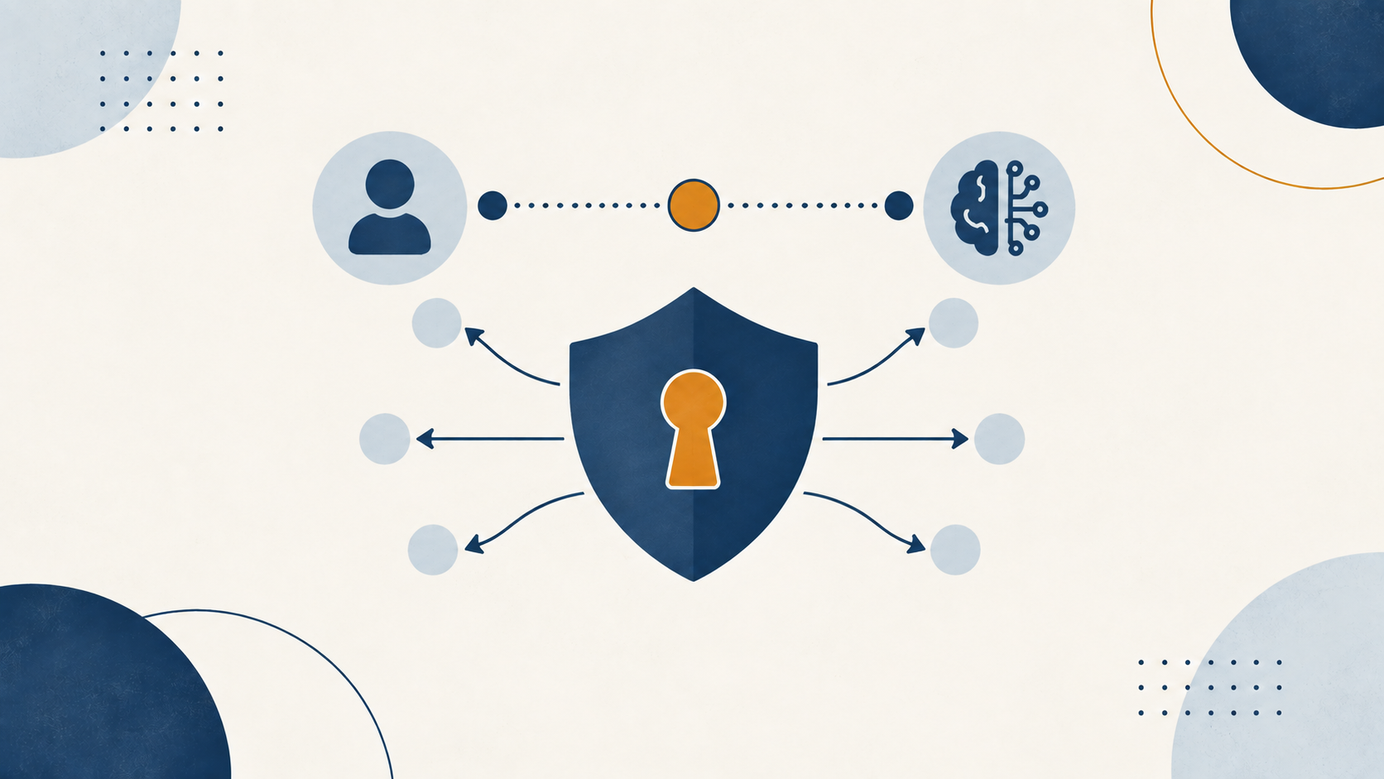
Who owns security when AI starts taking actions? Paid Members Public
Short answer: IT protects infrastructure, but operations must define which actions are allowed, who reviews them and how mistakes get corrected. An agent that drafts has a different risk profile from one that changes orders or writes to customers.