
Strategy and decisions
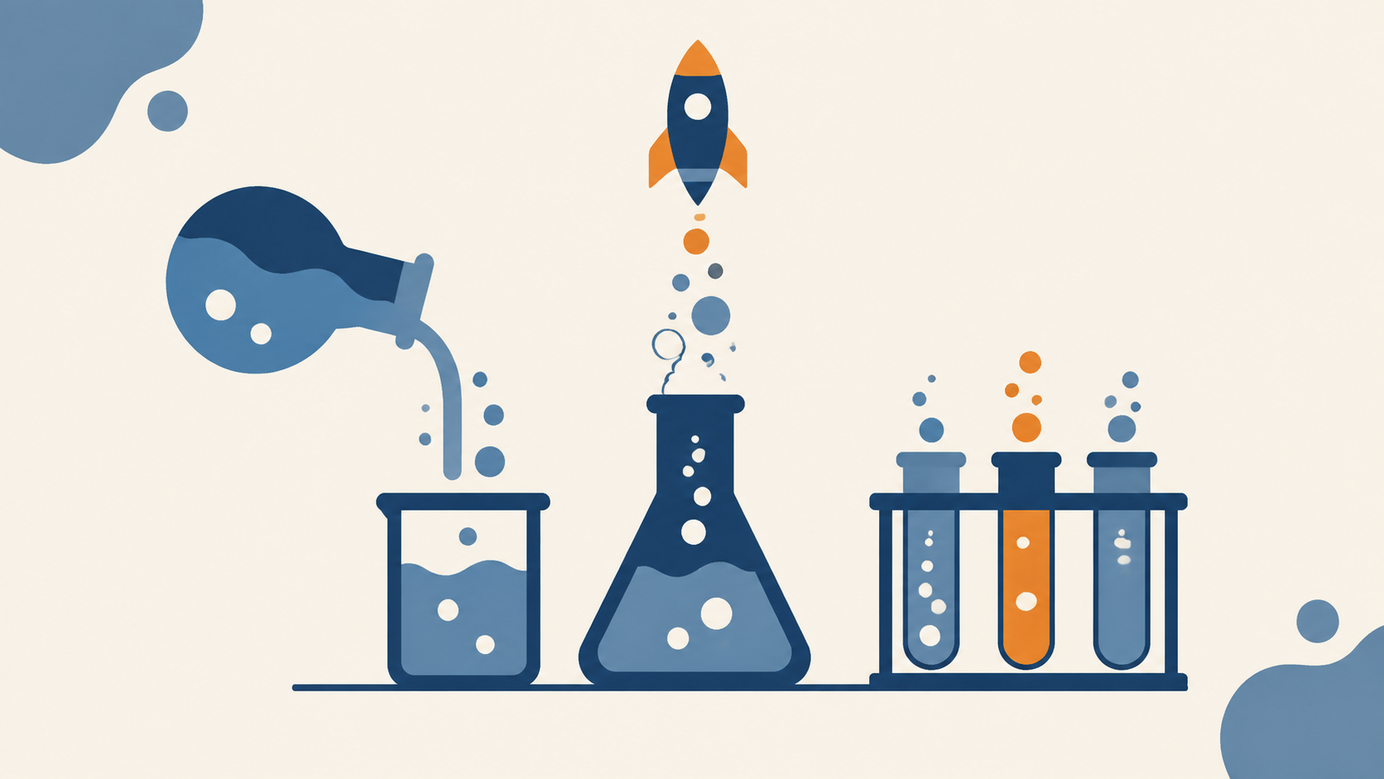
The perfect plan is the one that never starts: experimenting for real Paid Members Public
There are two ways to face AI in a company. The first: wait until you have the perfect plan, the perfect use case, the perfect moment. The second: try something small this month, see what happens, and adjust. The first one feels responsible. The second one feels improvised.
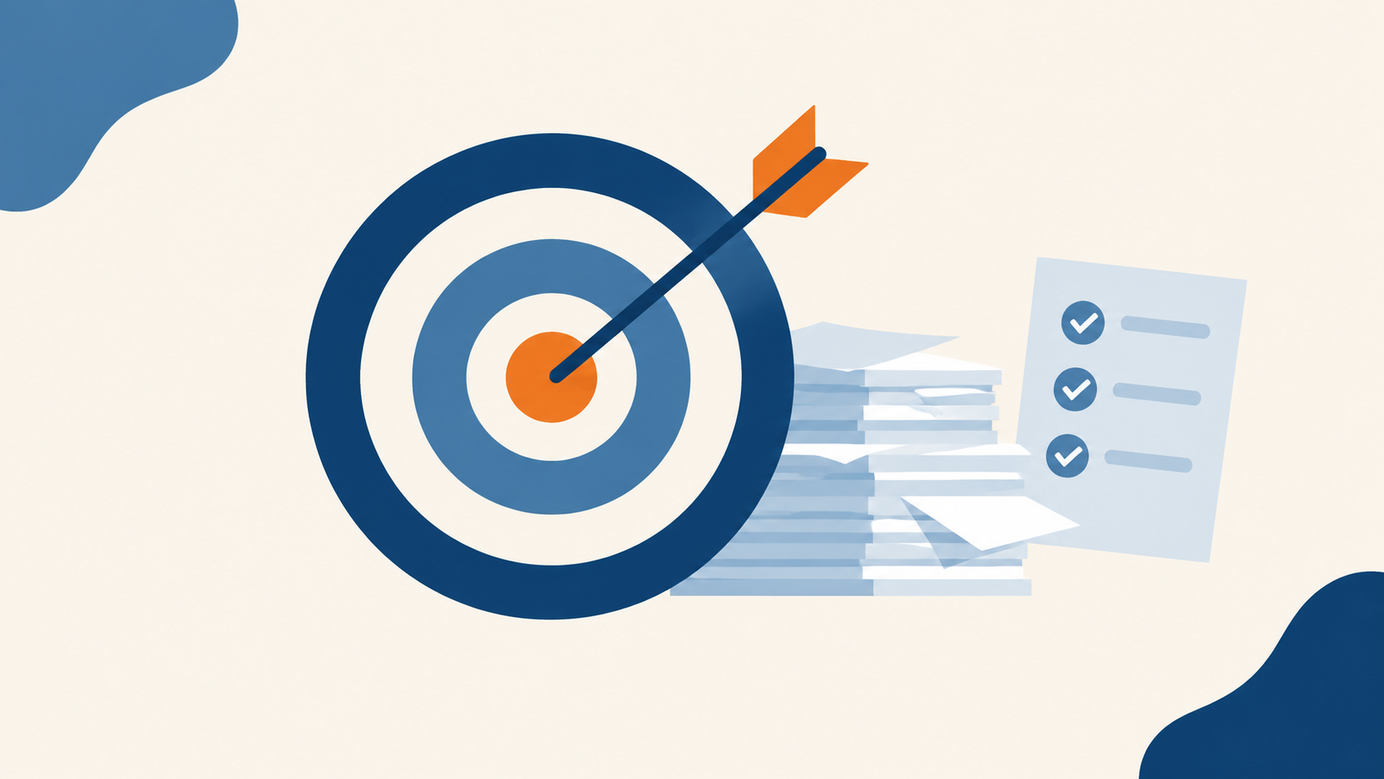
Your company is very busy with AI. Busy, or moving forward? Paid Members Public
There's a scene that repeats in a lot of companies: someone proudly reports in the meeting that everyone has AI licenses now, 80% finished the course, and three pilots are underway. Everyone nods. It feels like progress. Then you look at the actual work and...

There's no such thing as an AI-ready culture: what exists instead (and is better) Paid Members Public
Picture it: licenses purchased, course completed, policy signed. "We're ready for AI now," you say. And the next week a new model comes out that makes half of what you prepared obsolete.
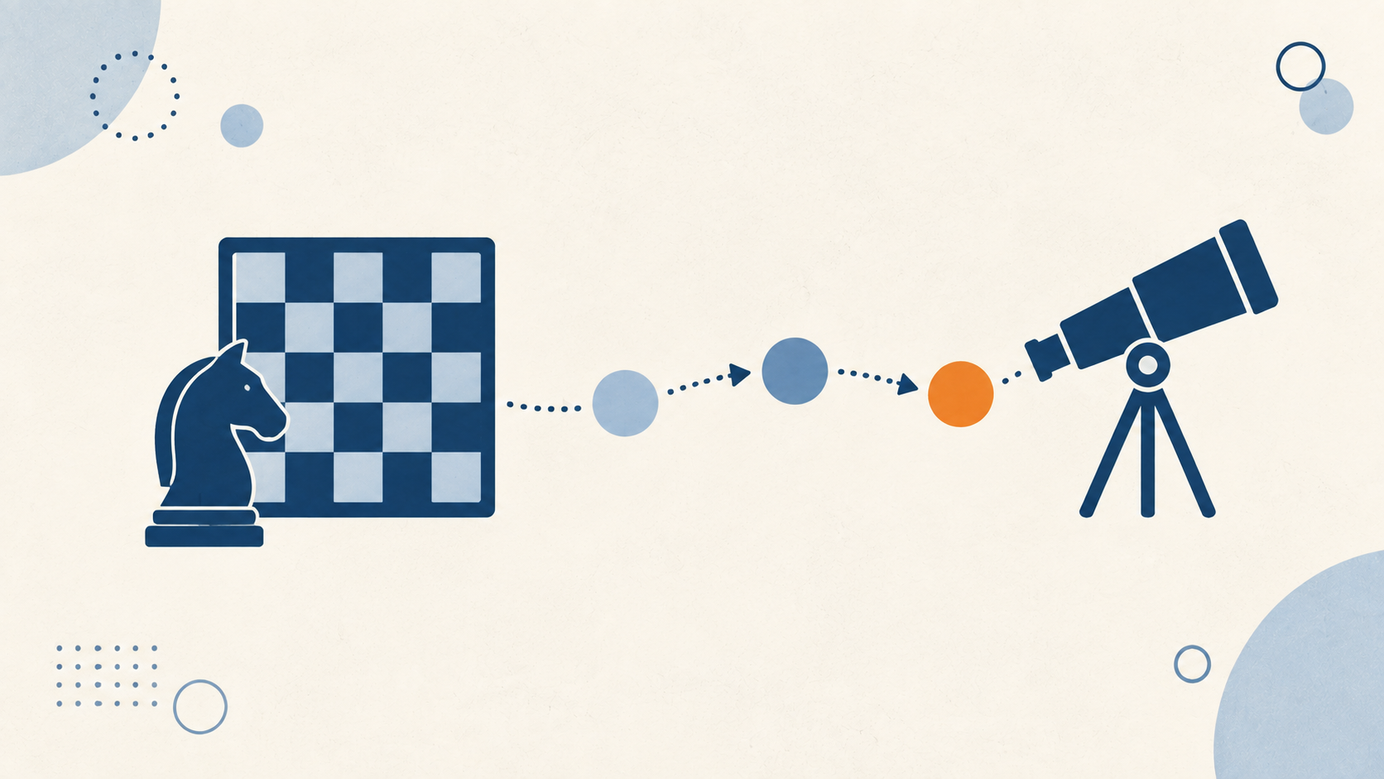
How to Think Several Steps Ahead: 6 Mental Models for Better Decisions Paid Members Public
There is a difference between reacting and deciding. Reacting means answering whatever is in front of you. Deciding means asking what happens after that, and after that. Six mental models for thinking several steps ahead: a simple list I found handy for clearing my head.
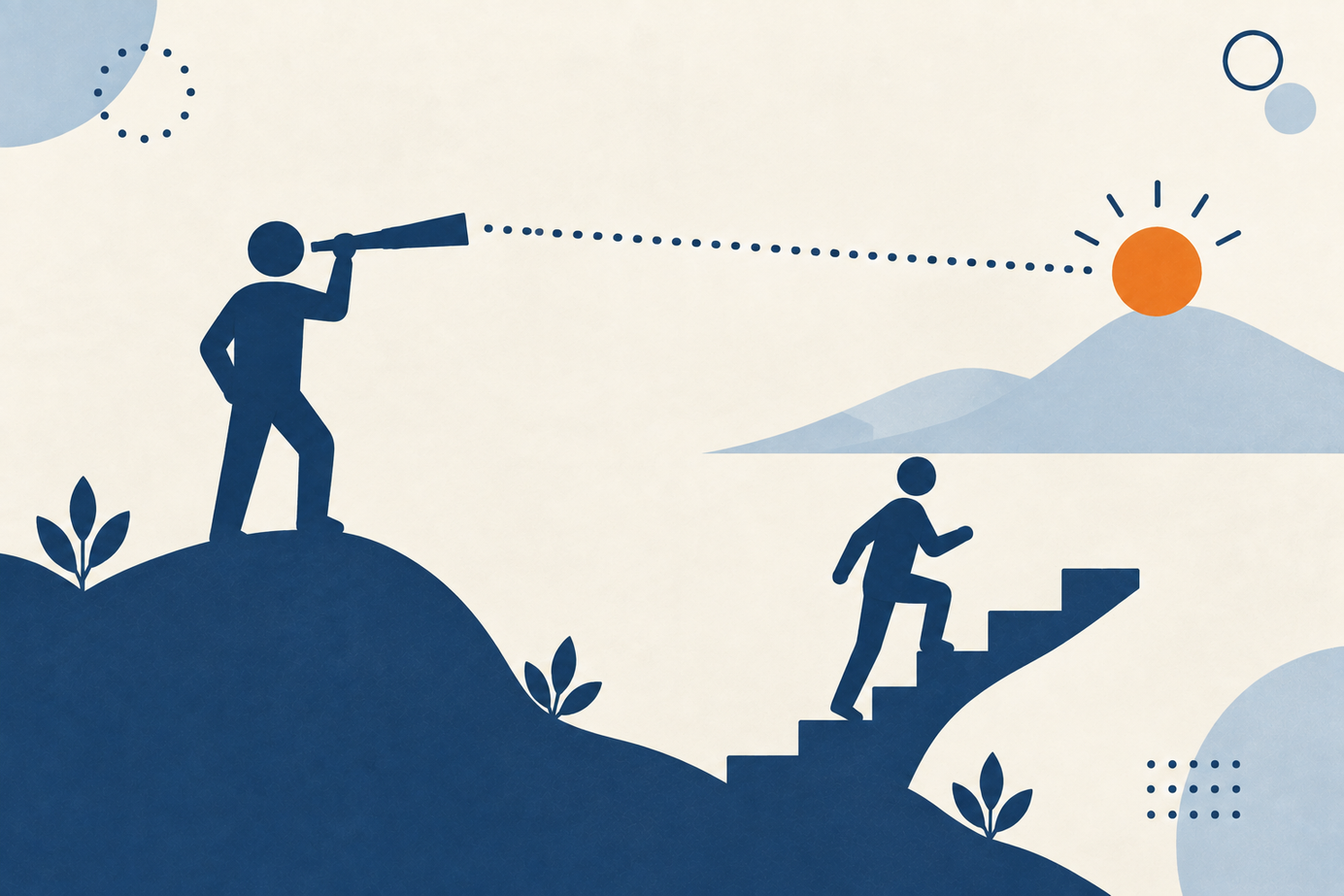
Strategic or tactical? The difference that changes how you work (and how you're seen) Paid Members Public
There is a phrase that quietly shapes more careers than any performance review: "we need you to be more strategic." It usually arrives in a meeting, with good intentions and without much explanation of what it actually means.
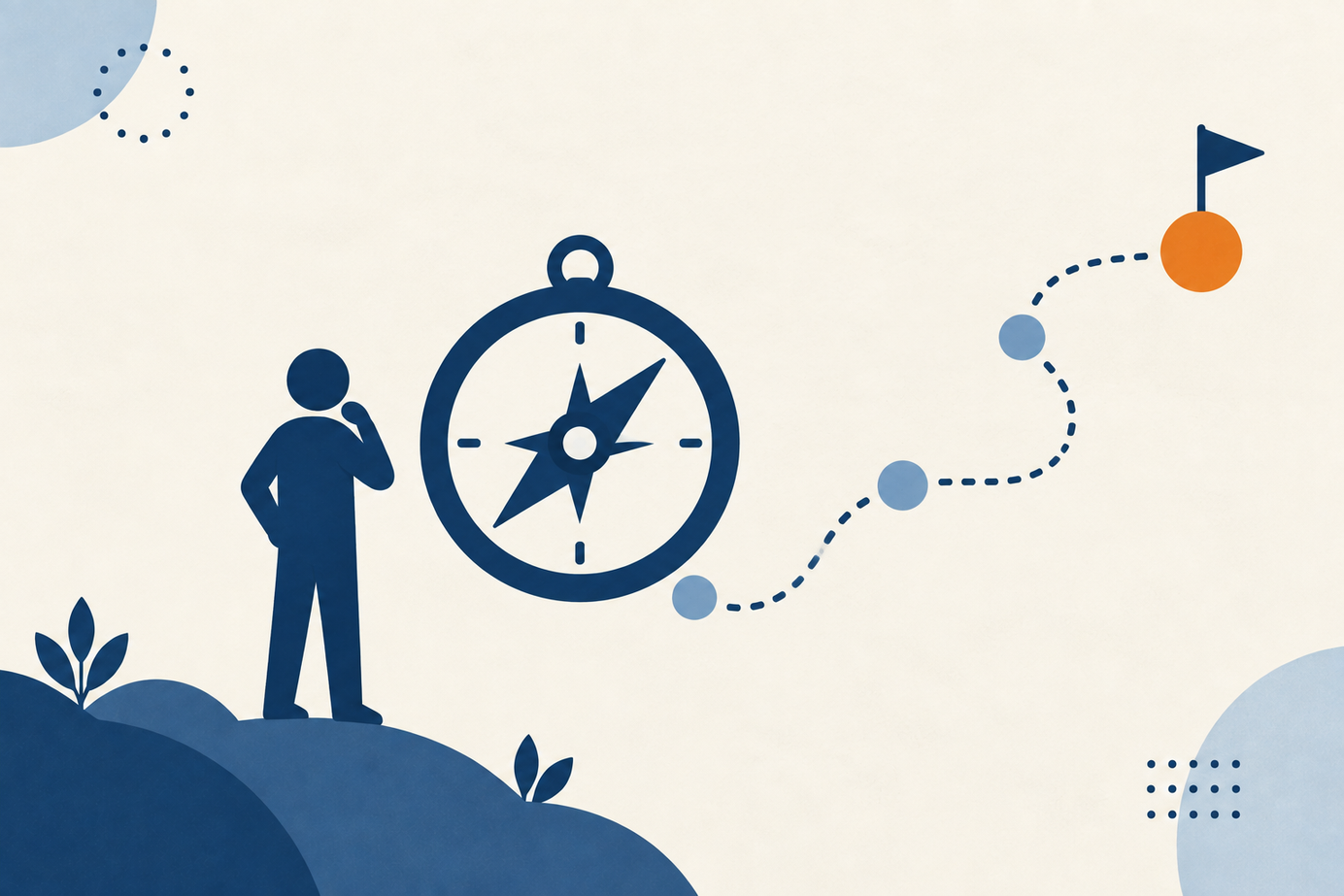
What is a strategy, how to build one, and how to actually execute it Paid Members Public
You have probably sat in this meeting: someone says "we need a strategy", everyone nods, the whiteboard fills with ideas, and at the end nobody is sure what was decided.