
What is generative AI (Gen AI) and what is it for?
Until recently, AI in companies was invisible and kind of boring: it classified things (“is this email spam?”) and predicted things (“which customer is about to leave?”). Generative AI changed the game because it does something different: it creates.


Until recently, AI in companies was invisible and kind of boring: it classified things (“is this email spam?”) and predicted things (“which customer is about to leave?”). Generative AI changed the game because it does something different: it creates.
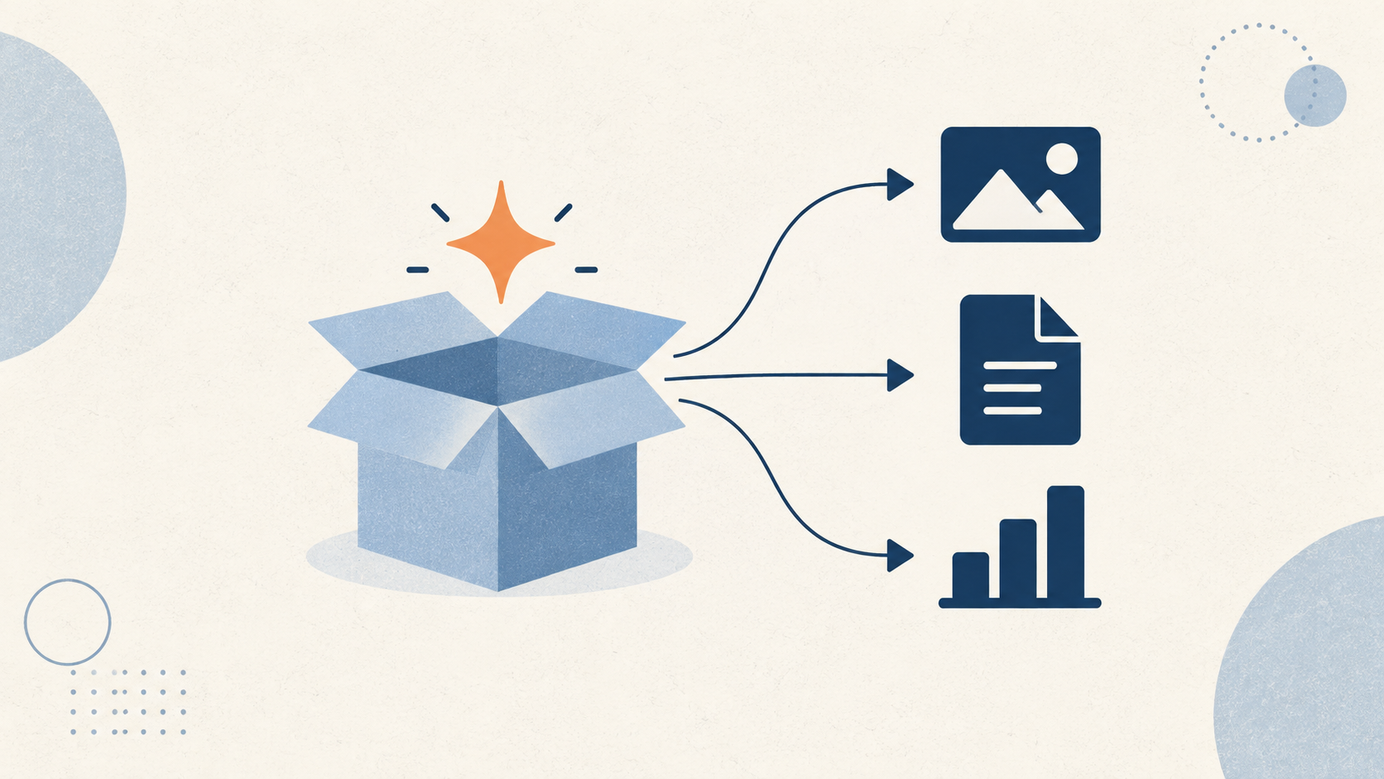
Generative AI (Gen AI, as the headlines call it) is the family of models that produces new content from an instruction you give it: text, images, audio, video and code. You type what you want (the famous prompt) and the model makes it in seconds.
What can it generate?
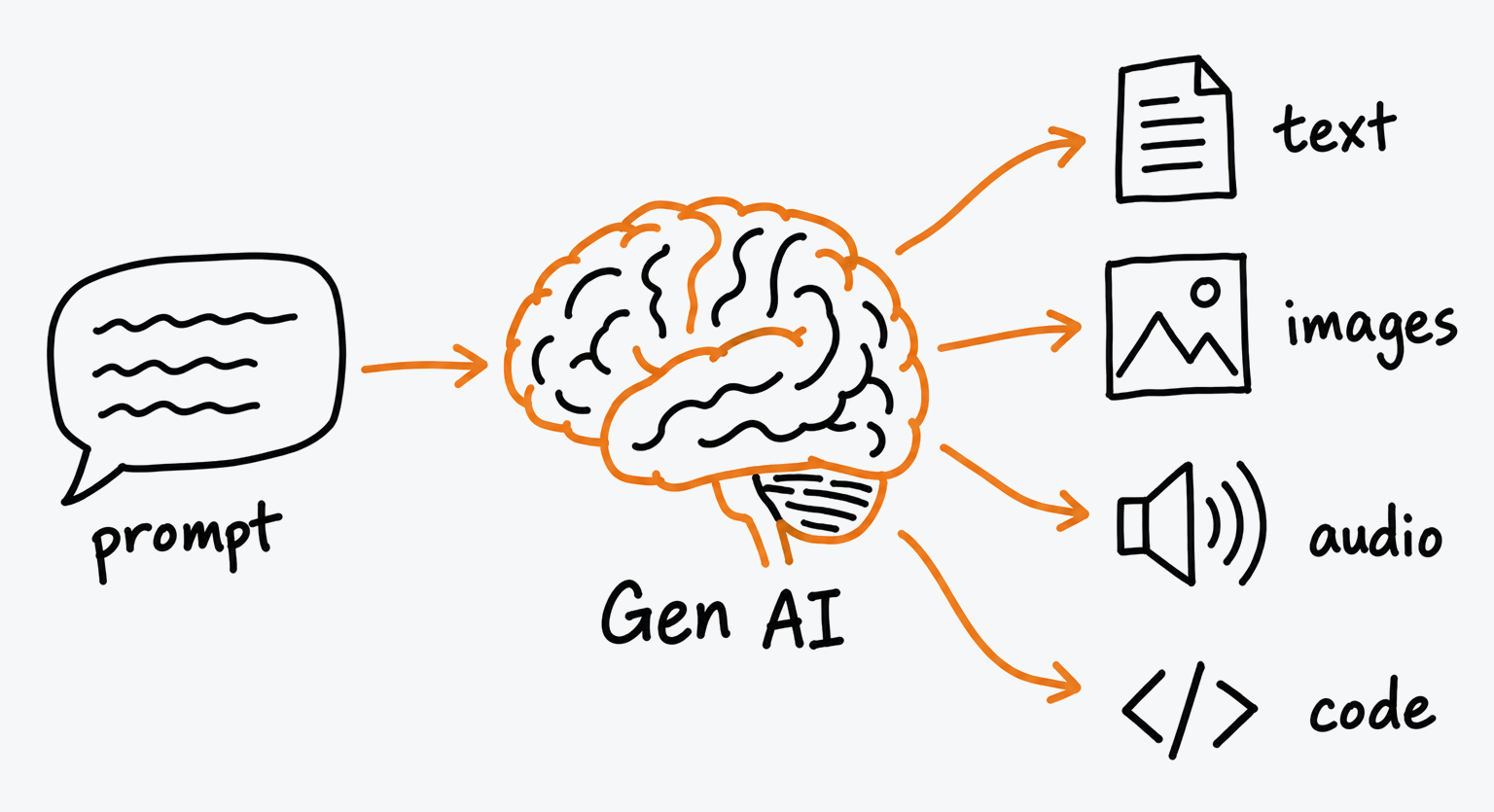
- Text: emails, articles, summaries, product descriptions. This is where LLMs like ChatGPT, Claude or Gemini live.
- Images: illustrations, realistic photos, logo sketches, and even the whiteboard doodles illustrating this article.
- Audio and voice: natural voices to narrate content, music and dubbing.
- Code: from an Excel formula to complete programs.
- Video: clips generated from text or images; the newest frontier and the one improving fastest.
If you want a deeper dive into the text piece, I explained it in What is an LLM and what is it for?.
How does it work? (the honest version)
Without entering the lab: these models learned the patterns of millions of examples (texts, images, sounds) and learned to produce new examples that stay coherent with those patterns. They don't copy-paste: they synthesize. That's why they sometimes produce gems… and sometimes hands with six fingers.
What is it good for in your business?
- Marketing without bottlenecks: post drafts, campaign emails and descriptions in minutes.
- Images for everything: presentations, social media and documents without relying on generic stock photos.
- Content in two languages: generate and adapt Spanish and English versions with the same message.
- Fast prototypes: picture a product, a screen or a package before investing in producing it.
- Customer support: instantly drafted replies that your team reviews and sends.
- Audio for your content: the narration you can listen to on this blog, for example.
Where to be careful
- Variable quality: the output depends on the instruction; a weak prompt gives a weak result.
- Copyright: the legal ground for generated content is still being defined; check the terms of the tool you use.
- Sensitive data: whatever you paste into the tool can leave your control; don't upload confidential information.
- Brand: if all your content sounds generic, so does your business. AI drafts; your judgment gives it the tone.
Generative AI didn't come to replace your team; it came to take away the blank page. Whoever starts with a good draft finishes sooner. And in business, finishing sooner (done right) is pure advantage.
Was this article helpful?