
From Idea to Scale: A Four-Stage Map for Building a Company With AI Agents
A plain-language map of the four stages of building a company with AI: what each stage is for, how to know you are ready to move on, and how to use agents safely.


Why a map helps before you build anything
Building with AI feels a bit like getting a very fast kitchen. Dishes come out quickly. The risk is not that the kitchen is slow. The risk is that you cook dishes nobody ordered.
The four stages below are written from what actually works with AI agents for business, not from launch-day demos.
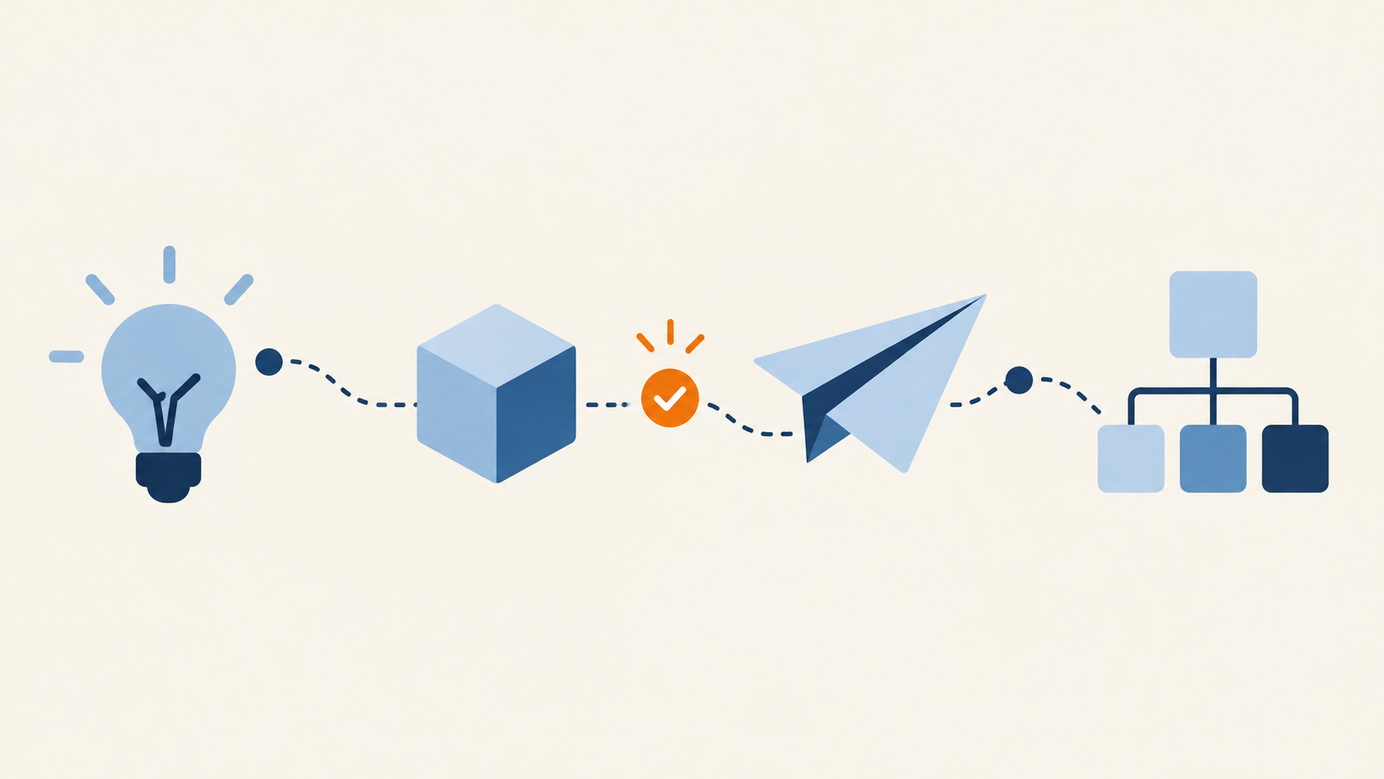
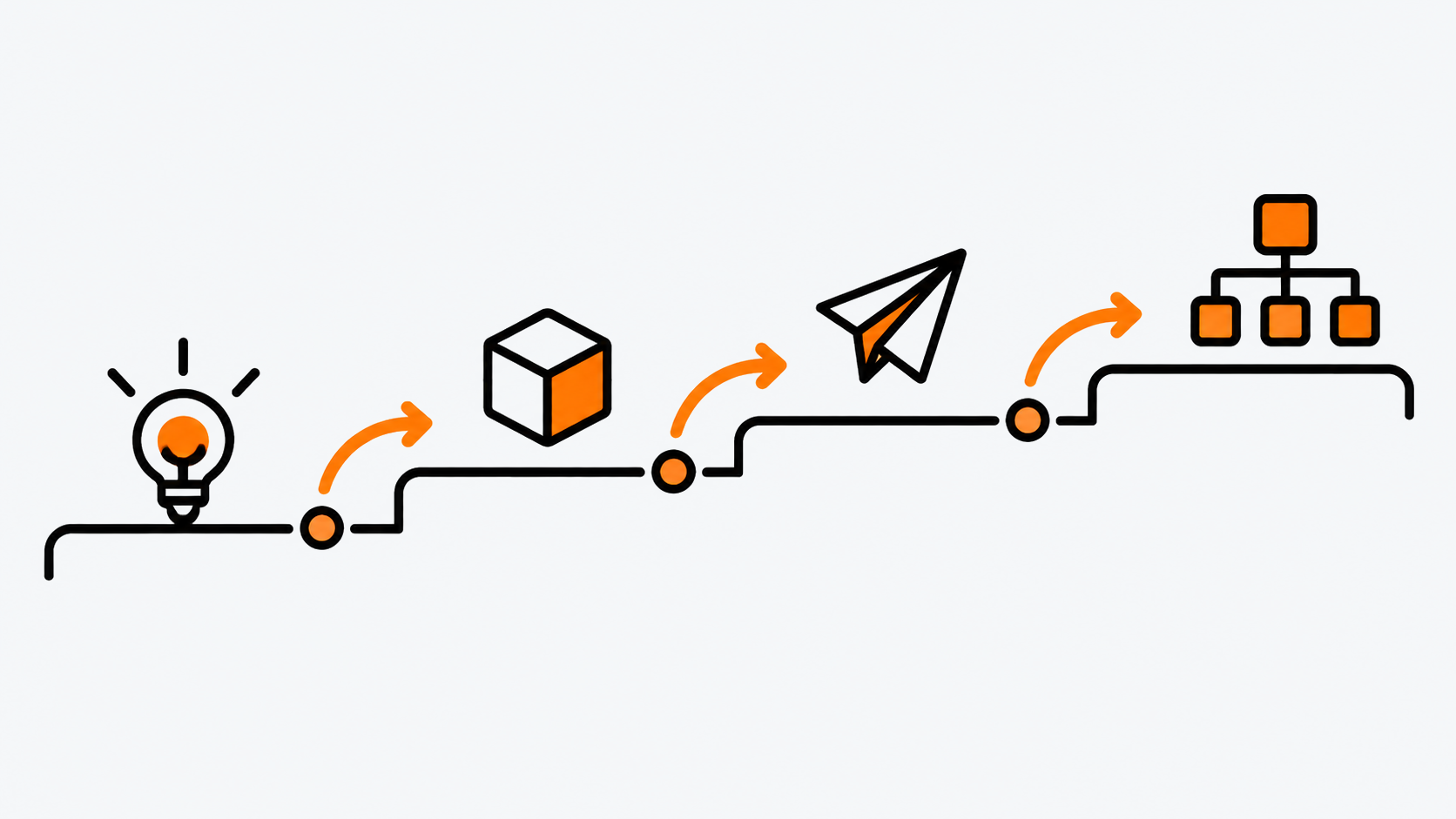
That is why a stage-by-stage map is useful. It does not tell you what to build. It tells you what question to answer right now, so that speed points in a useful direction. There are four stages: Idea, MVP, Launch and Scale. Each one has a single main question, a way to know you are ready to move on, and a few habits that keep things tidy while agents do a lot of the typing.
One honest note before we start: the exit checkpoints below are useful guides, not laws of nature. Every company is different, and you will adjust them. Think of them as the questions a thoughtful friend would ask you at each step.
Stage 1: Idea. "Is this worth building?"
The Idea stage is mostly research and conversation. The surprising part is that the first thing to protect is your own enthusiasm. When you love an idea, every article seems to agree with you and every friend seems supportive. So the work here is to look for evidence that you are wrong.
Here is where an AI assistant is genuinely handy:
Sharpen the problem. Ask for a one-paragraph description: who has this problem, how often, how much it hurts, and what they do today. If the paragraph is vague, the idea is not ready yet.
Argue against yourself. Ask the assistant to make the best case for why a competitor would win, or why the idea would not work. Reading that case calmly costs nothing.
Prepare better conversations. The best questions ask about the past ("Tell me about the last time this happened") rather than the future ("Would you use this?"). People are good storytellers about what they did and poor forecasters of what they will do.
Find patterns in what people said. After a batch of interviews, an assistant can group the themes and point out where you may be hearing only what you hoped to hear.
Checkpoint for this stage: you can name who has the problem, how often, and what they do about it today, and you have talked with real people, not only with software. Only then does a small prototype make sense: something just big enough for a person to touch and react to.
Notice what is missing: a polished product. The prototype here is a question you can hold in your hands.
Stage 2: MVP. "What is the smallest thing worth building first?"
MVP stands for "minimum viable product". In plain words: the smallest version that real people can use, so you can learn whether they care. The goal is evidence about the solution. Do people come back? Do they pay? Do they tell someone else? Those three signals (returning, paying, recommending) are a sensible way to read early interest.
This is the stage where AI changes the most, because building becomes quick. That is wonderful, and it also brings a few new situations to plan for.
Write down the plan before the code
Agents work best when they have context. A short document that explains what the product does, what it deliberately does not do, and which decisions are already made saves you from re-explaining everything each session. If you are curious how that looks in practice, our post on files for vibe coding walks through it, and the primer on vibe coding covers the basics.
Keep the scope on a leash
When adding a feature takes an afternoon instead of a month, the temptation is to add everything. A written scope helps. It lists what is in, what is out, and what evidence from users would justify adding something new. Before building, ask: "Which user said they cannot get value without this?"
Look at security early
Fast building can leave out basic protections such as how passwords are stored or who can see which data. A security review before the first real user arrives is worth planning for. How deep it needs to go depends on the risk: the kind of data you hold and what the product can do. An assistant can run a first review, and a person who understands the risks should look at the result.
Measure before you launch
Decide up front what you will count: sign-ups, return visits, payments, referrals. Numbers collected from day one are far easier to trust than numbers reconstructed later.
Checkpoint for this stage: a specific group of people returns, pays or recommends. Kind words and one-time visits are lovely, but they are weaker signals than behavior that repeats. If the evidence points somewhere else, changing direction is a normal and healthy result of the stage doing its job.
Stage 3: Launch. "Can this grow in a repeatable way?"
In the MVP stage, being involved in every decision is a strength. At launch, it can become the limit. The question shifts from "do people want this?" to "can this keep working as more people arrive?"
Three things deserve attention together:
Predictable growth. You know which channels bring people in and roughly what each new customer costs and returns. Those numbers, usually called CAC (cost to acquire a customer), LTV (lifetime value) and payback period, turn "it seems to be working" into something you can discuss clearly.
A sturdy product. The shortcuts that were fine for a trial need tidying. Agents can help here, for example by reading the codebase, listing the shortcuts, and proposing a cleanup plan. You review the plan and decide the order.
Processes that do not depend on one person. Support, triage, planning and reporting can be written down and partly automated, so your attention goes to the decisions that truly need you.
If you are deciding what kind of AI helper suits each of these tasks, the guide on chatbot, copilot or agent is a useful companion.
Good habit: grow after the basics are steady. Opening new markets or adding product lines is more comfortable when support, security and reliability already hold up under normal use.
Stage 4: Scale. "Can it run well without me at the center?"
Scale is about maturing the company, not only the product. The numbers get bigger: thousands of users become many more, one market becomes several. The ways of working change too. Instinct and closeness to users carried you this far. Now you need systems that others can read, check and improve.
Three themes show up:
Handing over operations. Hand over too fast and decisions get made without context that only you hold. Hold on too long and you become the bottleneck. A practical path: write down what lives only in your head, turn it into documented steps, and hand over one area at a time.
Dependable technical operations. Larger customers want clear response times, documentation and reliability they can plan around. The same tools that helped you build can help you write and maintain those materials.
Growing teams and functions. Hiring, accounting, legal and sales processes need a home, whether the company has ten people or a hundred.
There is also a longer-term idea: a company becomes harder to copy as it accumulates expertise, deep connections with the tools its customers already use, and its own data and workflows. A good test question is: "If a larger competitor copied the product tomorrow, would my users stay?"
Whether that moment arrives as steady profitability, a sale or a public listing depends on your goals. The common thread is that growth is steady and traceable, and the organization works even when you step back.
A simple habit you can use at every stage
Agents can do a great deal of work between your decisions. Two habits make that work easier to trust:
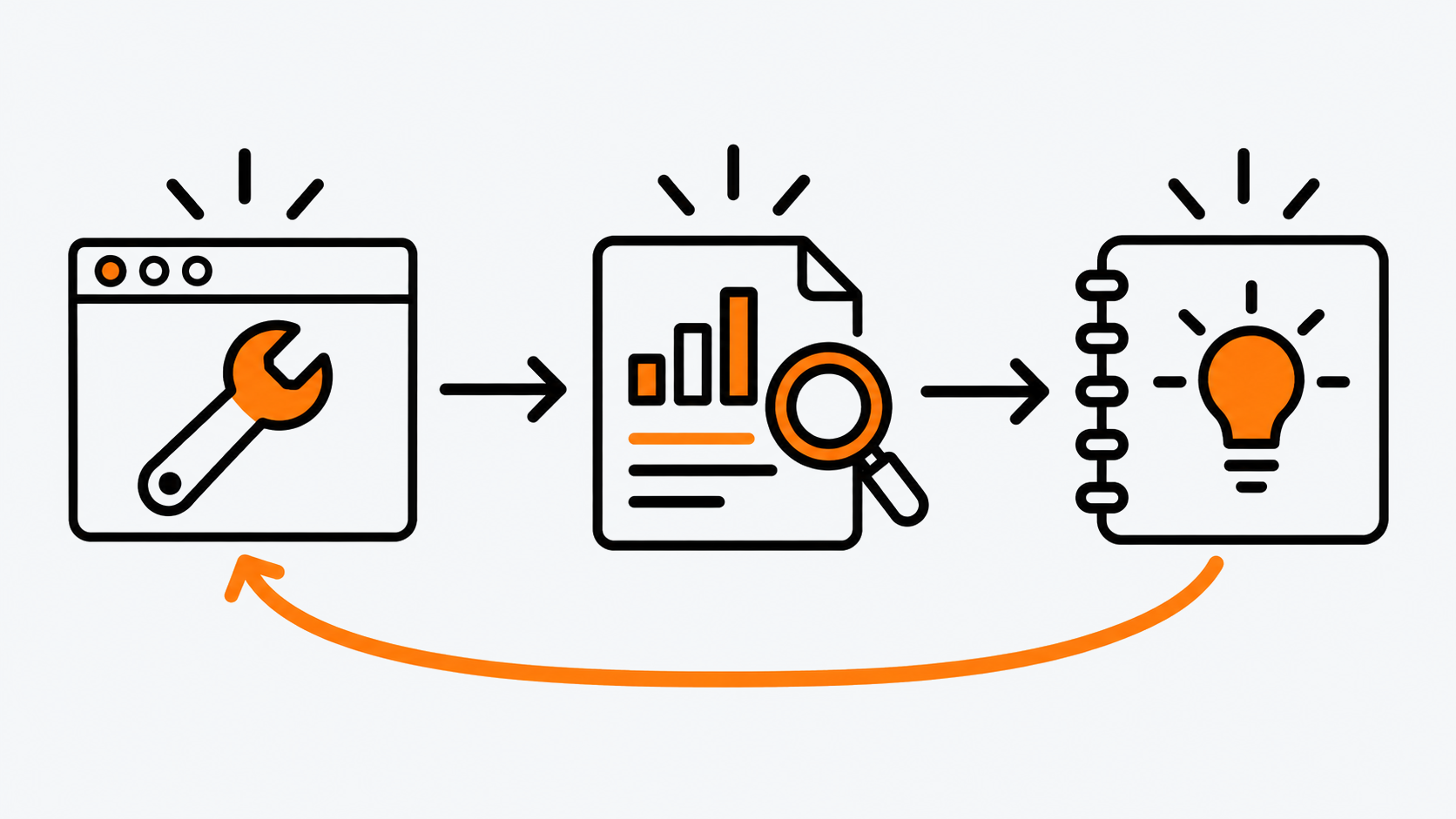
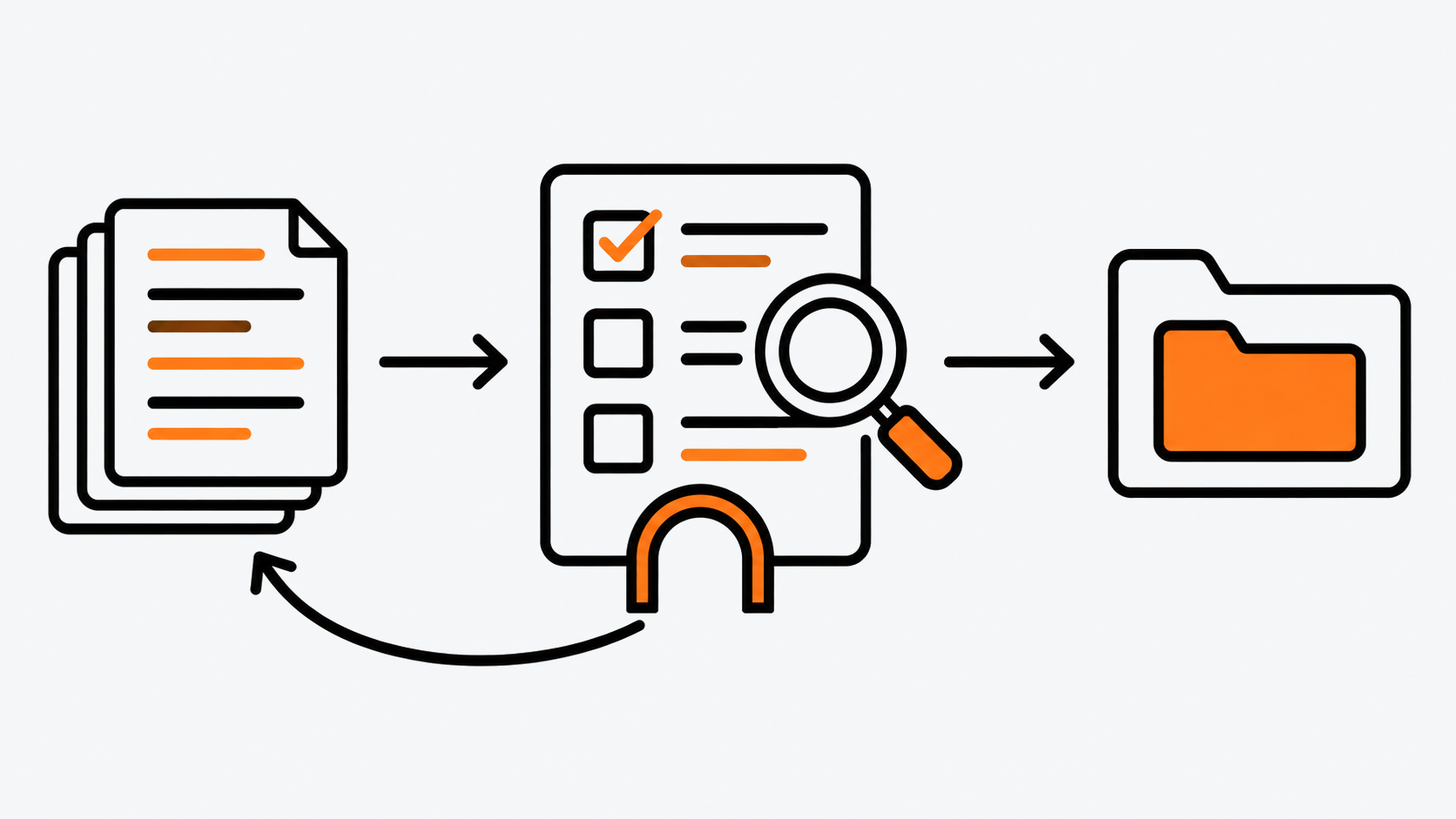
Define "done" in advance. A clear finish line (a test that passes, a checklist that is complete, a number that is reached) lets an agent keep iterating until it gets there and lets you verify the result quickly.
Keep a person at each gate. Let agents prepare, draft and check. Let a person approve what goes to customers, touches money or affects security.
To check whether a new AI initiative is really helping, our post on how to tell whether an AI pilot helped offers a straightforward way to measure it.
Quick reference: the four stages at a glance
Idea
Is this worth building?
Real conversations show a real problem and enough signal to try a first version.
MVP
What is the smallest useful version?
A specific group returns, pays or recommends.
Launch
Can growth repeat?
Known channels and numbers, a sturdy product, processes that do not rely on one person.
Scale
Can it run well without me at the center?
Steady, traceable growth and a mature organization.
A first step you can take this week
Pick the stage you are in right now. Write its main question at the top of a page. Under it, list the three pieces of evidence you would need to answer yes. Then use an assistant to look for evidence that points the other way. An honest look at that page may expose weak assumptions before you start building.
The tools will keep changing. The questions stay useful: Is it worth building? What is the smallest useful version? Can it repeat? Can it run without me? Answer them in that order, and let the agents handle the typing.
Sources
The Founder's Playbook: Building an AI-Native Startup (Claude, Anthropic): https://claude.com/resources/guides/the-founders-playbook-building-an-ai-native-startup
Idea stage: https://claude.com/resources/guides/the-founders-playbook-building-an-ai-native-startup/idea-stage
MVP stage: https://claude.com/resources/guides/the-founders-playbook-building-an-ai-native-startup/mvp-stage
Launch stage: https://claude.com/resources/guides/the-founders-playbook-building-an-ai-native-startup/launch-stage
Scale stage: https://claude.com/resources/guides/the-founders-playbook-building-an-ai-native-startup/scale-stage
Was this article helpful?