
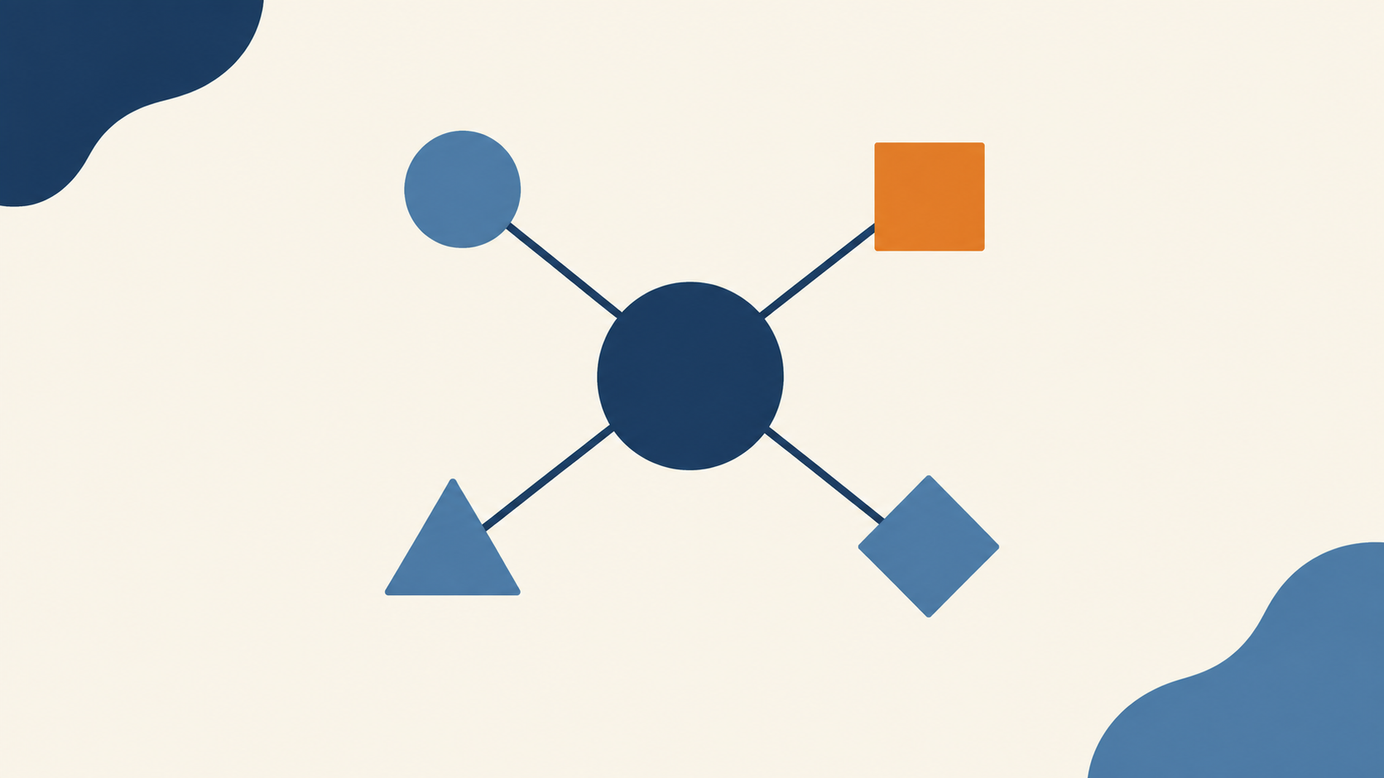
If every decision crosses your desk, your company has a bottleneck with your name on it
Familiar scene: you arrive Monday and seven decisions are waiting for you. Five could have been made by someone else, but they didn't have the information, or the permission, or clarity on whether it was even theirs. Meanwhile, you decide tired and they wait frustrated.


Familiar scene: you arrive Monday and seven decisions are waiting for you. Five could have been made by someone else, but they didn't have the information, or the permission, or clarity on whether it was even theirs. Meanwhile, you decide tired and they wait frustrated. Everyone working hard, everything moving slow.
The Harvard Business Review article this series is based on puts this on the table with a strong idea: adaptable cultures don't have better decision makers, they have better decision systems. Instead of pushing hard calls upward, they put better intelligence around the people closest to the decision. And they add the line that hurts: distributing information is easier than distributing authority.
The shift: from who decides to how decisions get made
The article's proposal is to stop thinking about "who has the final word" and start designing the system: what information arrives, to whom, with what authority and what accountability. AI fits beautifully here, because its great enterprise superpower isn't deciding: it's putting the organization's accumulated knowledge within reach of whoever is about to decide.
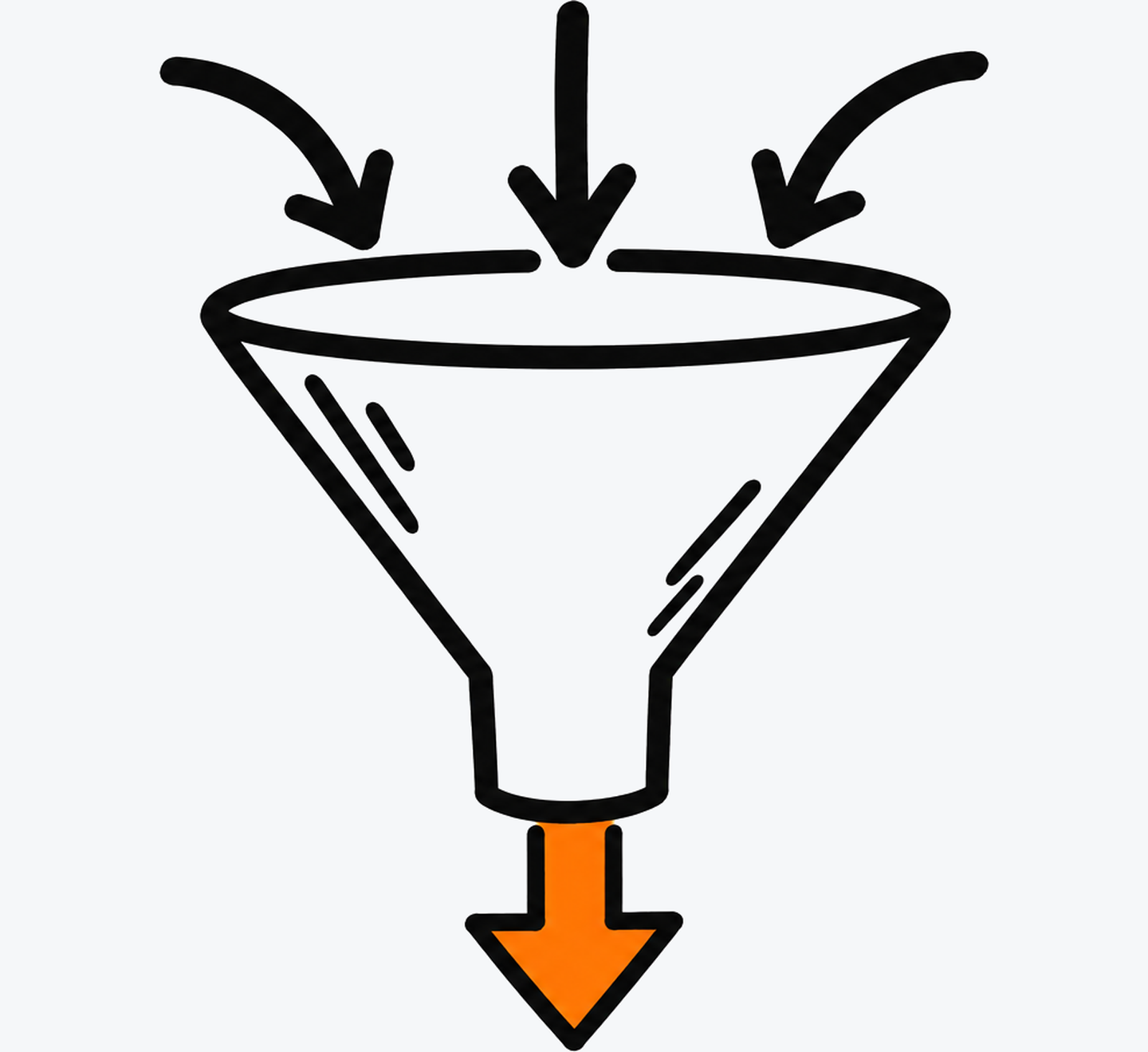
But there's a cultural condition without which none of this works, and the article lists it in full: trusting people to exercise judgment, making the boundaries of their discretion clear, and holding them accountable for the decisions they make. Information, authority, and accountability. If one is missing, you don't have a decision system: you have a nice-looking delegation on paper.
Two cases worth their weight in gold
The first is an investment firm. Its AI tools draw on more than a decade of committee materials, including investments made and rejected, to challenge the assumptions behind new deals. If a deal team projects a margin the firm has never achieved in a comparable business, the system flags it. And here comes the line that should be framed: the AI does not get a vote. Investment decisions remain human. What the firm gains is that its collective experience stops depending on one senior investor's memory, and it gains constructive dissent: challenging with evidence, not gut feelings.
The second is a global financial services firm. Its platform analyzes thousands of signals and pushes relevant intelligence to thousands of advisors, so judgment lives closer to the client. The article reports the numbers: they estimate saving 1,200 hours of meeting preparation each week, and generated more than 20 million AI-identified client opportunities in 2025, 50% more than the year before. And who decides how to act on each opportunity? The human advisor.
See the pattern: in both cases AI does the intelligence work and the human keeps the judgment and the responsibility. It's not "the machine decides." It's "the machine informs so well that more people can decide well."
What this means in a 5-to-50-person business
You don't need an intelligence platform. You need to answer three questions for each type of recurring decision:
- What information is needed? If the answer is "the stuff only I keep in my head," there's work to do: get that information somewhere your team and their AI can use it (price history, discount criteria, reasons deals were lost).
- Who is closest to the problem? Usually not you. It's whoever talks to the customer, runs the process, sees the failure.
- How far does their authority go, and how is it known? In writing, and small: "you can approve discounts up to X, date changes yes, scope changes no." The clear guardrail is what lets you let go without letting go recklessly.
And the part almost nobody says out loud: when you hand off decisions, some will come out different from how you would have made them. If every deviation brings a scolding, the system dies and everything returns to your desk, with extra resentment. The right question isn't "would I have decided the same?" but "was the decision inside the guardrails and made with the right information?".
The bottleneck can be measured
A simple test you can run: count how many decisions per week wait for your signature, your thumbs-up, or your WhatsApp reply. Then sort them: which ones truly needed your judgment and which ones only needed information or permission that didn't exist anywhere else. The article suggests that in most organizations the second pile is much bigger than we think. Every decision in that pile is speed you're leaving on the table and frustration you're stacking on your team.

The all-knowing founder trap
There's an emotional reason bottlenecks survive: deciding feels good. Every decision confirms you're needed. Letting them go feels like losing relevance, and many founders mistake that discomfort for a real loss of control. The hard data runs the other way: every decision someone else makes well is capacity your company gained and time you recovered for the few decisions that truly are yours. Leadership isn't measured in decisions made but in decisions the company can make without you.
What to do this week
- Write down the five decisions that reach you most. For each one, note what information was missing for someone else to make it.
- Pick ONE and design its mini-system: available information, responsible person, authority limit, accountability mechanism.
- Feed that decision with context: put your criteria in a document your team (and their AI) can consult before asking you.
Questions to ask yourself
Which decisions keep reaching me that shouldn't?
Does my team lack the information, the permission, or the clarity that it's theirs?
Am I building a company that decides well, or one that decides well only when I'm around?
One last nudge
Don't design the perfect system for every decision at once. The bottleneck wasn't built in a day and it won't come down in one either. One decision, well handed off, teaches you more than a beautiful delegation chart nobody follows. Start with the one that annoys you most on Monday mornings.
The takeaway
The founder who decides everything feels indispensable and is, literally, the bottleneck. The alternative isn't letting go of control blindly: it's designing how decisions get made, with AI supplying the intelligence and humans supplying the judgment and the responsibility. Your company doesn't need you to decide more; it needs fewer decisions to need you.
Source: "There's No Such Thing as an AI-Ready Culture", Sarah Jensen Clayton, Michael Welch and Khoi Tu (Korn Ferry), Harvard Business Review, October 5, 2026. https://hbr.org/2026/10/theres-no-such-thing-as-an-ai-ready-culture
Was this article helpful?