OpenClaw: what it is and how the open-source personal assistant works
A guide to OpenClaw: what it is, where the project comes from, how the gateway works, daily uses, its relation to Claude, and what to consider first.

OpenClaw is an open agent platform that turns your messaging apps into the interface of an AI assistant running on your own machine. Rather than opening a website or installing another app, you write to it on WhatsApp, Telegram, Discord, Slack, or Teams, and the assistant answers right there, executing tasks on your computer, your server, or your VPS.
The project started as a weekend experiment by Peter Steinberger in November 2025 and within weeks became one of the fastest-moving GitHub repositories of the moment: when announcing the OpenClaw name in late January 2026, Steinberger reported over one hundred thousand stars and two million visitors in a single week. This guide explains what it is exactly, where it comes from, and how it works inside.
What OpenClaw is exactly
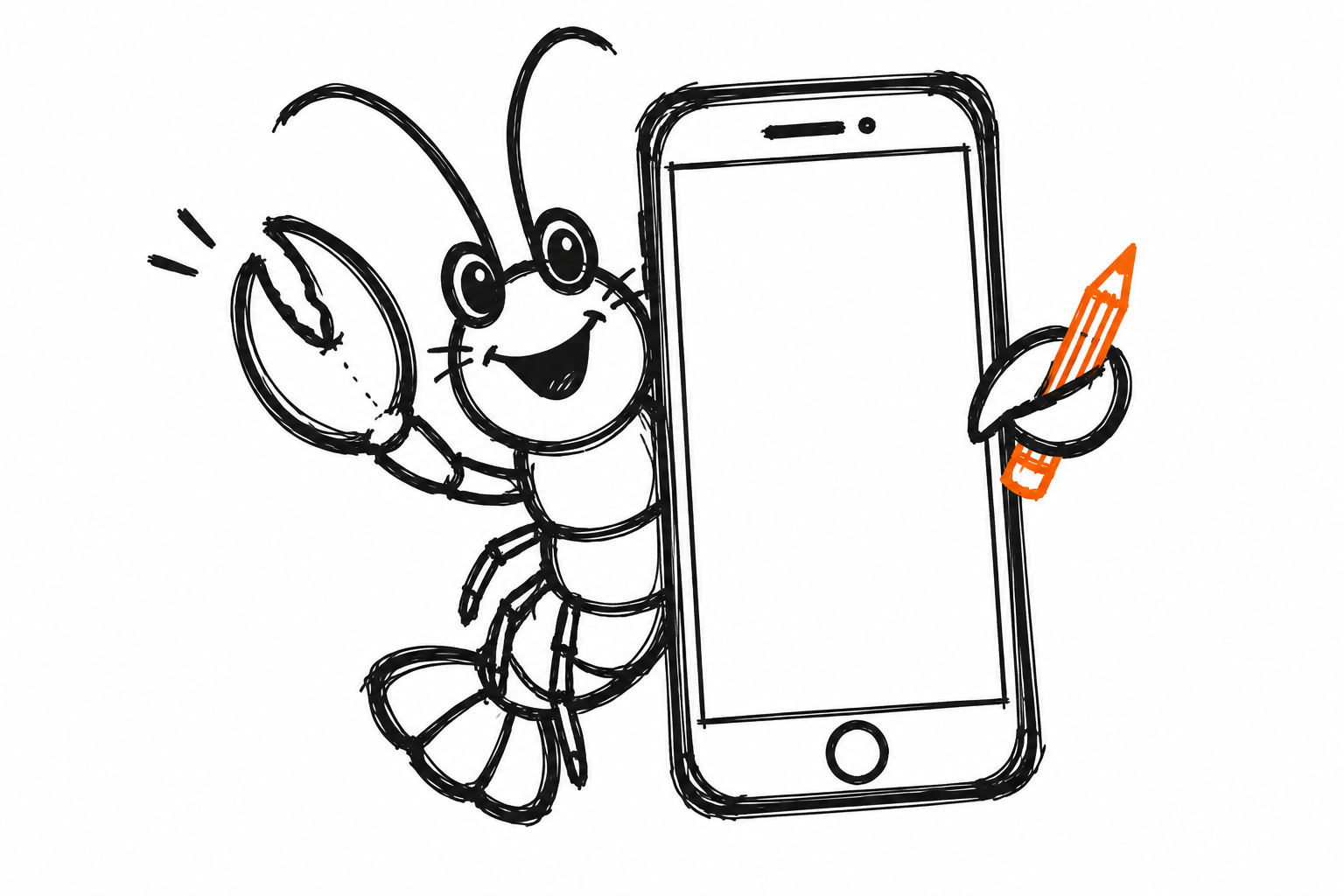
The most accurate description comes from the project itself: an open agent platform that runs on your machine and works from the chat apps you already use. Three pieces define the product.
The first is the assistant: an agent able to read and write files, browse the web, run commands, schedule reminders, and chain tools together to complete long assignments that span hours and several apps. The second is the gateway, an always-on process that connects that agent to your messaging channels and keeps persistent sessions with memory across conversations. The third is the channels: WhatsApp, Telegram, Discord, Slack, Teams, and others, each one convertible into a direct line to your assistant.
The project's own phrase sums it up: your assistant, your machine, your rules. Data, keys, and history live on your infrastructure, a fundamental difference from hosted assistants where everything passes through someone else's servers.
Where it comes from: a weekend project with three names
The story begins in November 2025, when Steinberger, known for founding the developer company PSPDFKit, put together a bridge between WhatsApp and a language model as a personal project. The first name was Clawd, a wordplay on Claude that lasted briefly: the Anthropic legal team politely asked for a reconsideration, and the project went looking for a new identity.
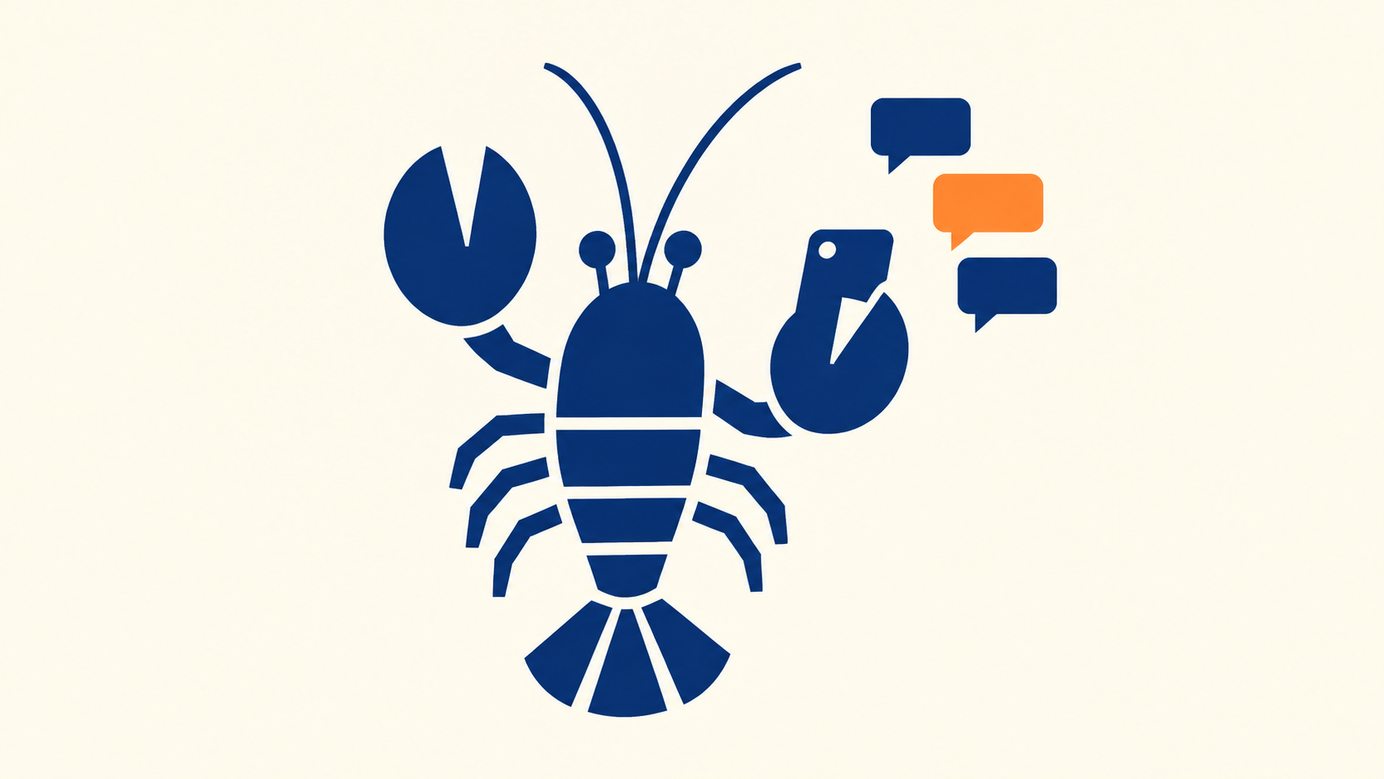
Moltbot came next, chosen in a 5am community brainstorm on Discord, with the metaphor of a lobster molting its shell to grow. The name fell short on practicality, and in late January 2026 the final one arrived: OpenClaw, with trademark searches cleared, domains purchased, and migration code written. Open for open source and community; Claw for the lobster heritage.
The speed of those months says a great deal about the moment agent software is living through, and about how quickly expectations moved from chat windows to assistants that act: a messaging bridge built over a weekend gathered, within weeks, a huge community of people who wanted an assistant of their own, running at home and reachable from their pocket.
How it works inside
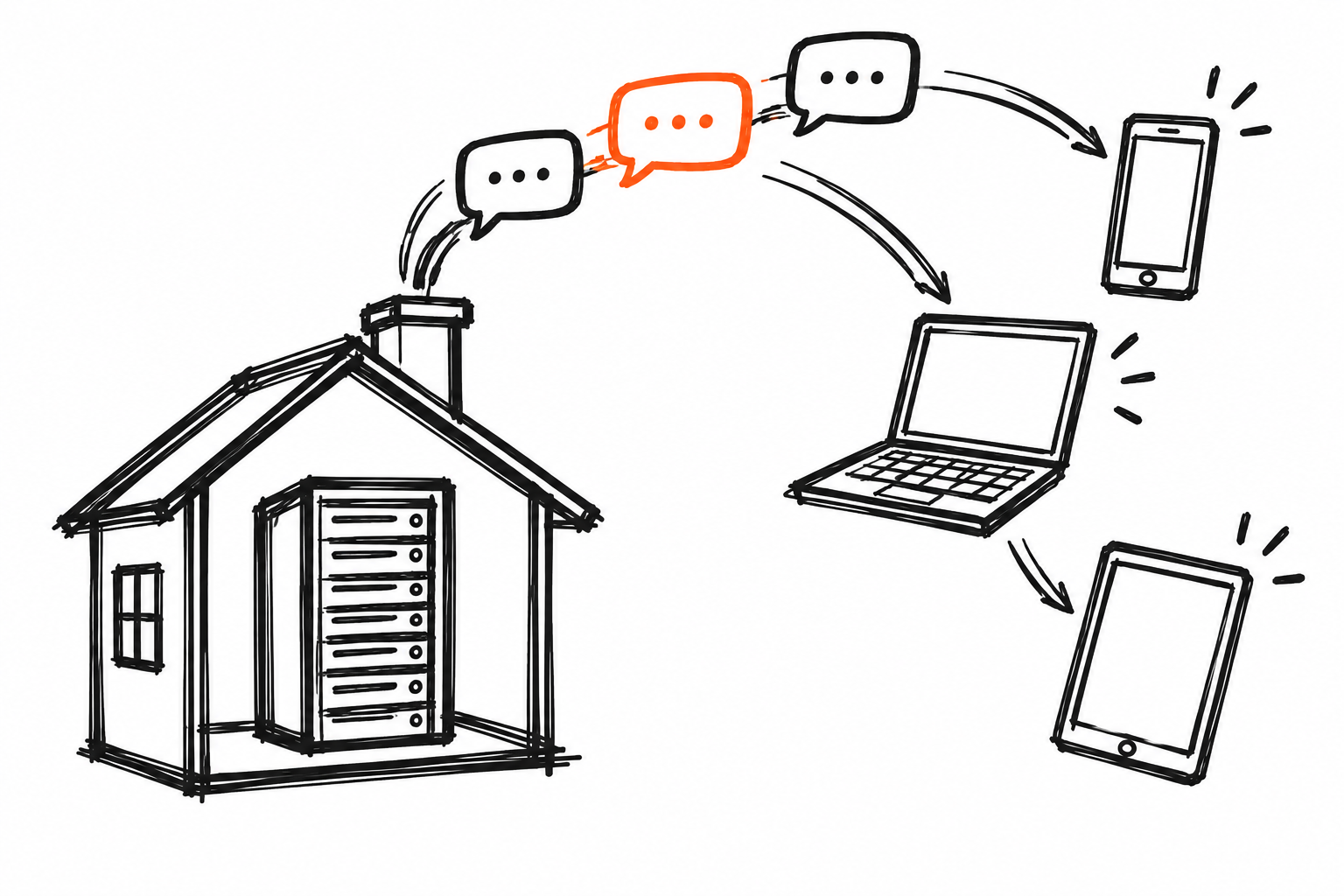
The heart of OpenClaw is the gateway, a service installed on a laptop, a homelab, or a VPS that stays on day and night. When you write to the assistant on your favorite channel, the message reaches the gateway, which hands it to the agent along with the session context: memory from earlier conversations, workspace files, and available tools. The agent works, and the answer comes back through the same channel.
Persistent memory defines the experience more than any single feature on the list. The assistant remembers what you asked yesterday, the preferences you declared last week, and the projects in progress, because all of that lives on your machine as workspace files. Long sessions stop depending on a volatile chat window.
The language model is swappable, and that design decision shapes much of the project's personality. OpenClaw works with models from Anthropic, OpenAI, and other providers, configurable per agent, so each channel or each task can use the model that fits it best. API keys also live on your infrastructure, alongside the rest of the configuration.
Around that core, the ecosystem contributes plugins and skills that expand what the assistant can do: browser automation, recurring task scheduling, integration with external services, and web dashboards to supervise sessions. The multi-agent architecture also lets you separate fronts: one agent for personal matters, another for work, each with its own workspace, memory, and rules, all served by the same gateway.
What it can do day to day
The uses the community repeats most fall into a few families. Personal briefings: summaries of mail, calendar, and news every morning, delivered in your chat. Research and drafts: asking for quick research or a first draft of a document from your phone. Reminders and follow-ups: scheduled nudges and checklists the assistant watches for you. Web automation: filling forms, collecting data from sites, and repeating browser tasks. Cross-device coordination: launch a task from your phone, let the gateway run it on the server, and receive the result back in chat.
The common pattern is conversational delegation: assignments in natural language, from anywhere, with results returning to the same thread, even when the task itself ran for twenty minutes on a machine across the house. The difference from asking the same thing in a provider's chat app is that here the memory, the generated files, and the tools belong to your infrastructure, and the thread continues tomorrow exactly where it left off today.
The community around the project
Part of OpenClaw's traction comes from its ecosystem, which grew at the same remarkable pace as the core project. The project maintains a registry of community-built skills and plugins, and the documentation grows with guides for common deployments: a Raspberry Pi at home, an inexpensive VPS, a dedicated Mac. The pace of contribution in those first months was as intense as the download numbers.
The community also produced unexpected phenomena. In late January 2026, outlets like TechCrunch covered how OpenClaw assistants began participating in a social network of their own, an experiment where agents post and talk with each other. Beyond the anecdote, the episode showed something practical: people were leaving their assistants running continuously, working in the background as true personal services.
That community energy matters when evaluating the project. An open and active ecosystem means fast answers to installation questions, new integrations every week, and a knowledge base that grows through collective contribution.
OpenClaw and Claude: how they relate
The Claw surname gives away the origin: the project began as a bridge to Anthropic's models, and Claude remains a frequent choice among its users. The current relationship is that of an agnostic platform: OpenClaw orchestrates channels, memory, and tools, and the model reasoning behind it gets chosen by configuration.
It is also worth distinguishing from Claude Code. Claude Code is a terminal agent specialized in working inside a code repository, with a very fine review loop. OpenClaw is a general-purpose assistant and coordination layer, with durable memory and messaging access. Many users combine both: OpenClaw as the daily contact point and Claude Code for deep programming work. The comparison of Codex vs Claude Code: workflow differences helps place that second piece.
What to consider before adopting it
An assistant with access to your files, your keys, and your channels calls for careful configuration. The project itself maintains a security best-practices guide and recommends using strong models, because prompt injection remains an open, industry-wide challenge: hostile text inside a page or a message can try to steer the agent off course, and the defense runs through capable models, scoped permissions, and review of sensitive actions.
It also asks for honest maintenance: the gateway is a service someone has to keep on, updated, and watched. For those who enjoy running their own infrastructure, that cost is part of the charm. For those who prefer zero operations, a hosted assistant is a better fit.
The entry curve is friendly for technical profiles and demanding for anyone expecting a ready-made experience from the first minute. A sensible first deployment keeps the circle small: one channel, one machine, one agent, and a week of ordinary tasks before connecting anything sensitive. That gradual path builds the judgment needed to decide what the assistant may touch and what stays manual. The official documentation covers installation step by step, and the community maintains guides for the most common deployments.
Why it matters
OpenClaw represents a concrete bet on how the relationship with AI assistants will look: your own software, running on your own hardware, reachable from the channels already part of daily life. Against the model of the assistant as a hosted service, it proposes the assistant as personal infrastructure, with the data sovereignty and the operational responsibility that implies.
That a project like this gathered such a community in weeks suggests the demand exists and keeps growing, and each new integration makes the platform a little more useful to the next person who arrives. If the agent ecosystem around Claude interests you, the guide on Claude Skills: what they are and how to create one from scratch shows another piece of the same puzzle: packaging procedures so the model executes them with consistency.
Sources
Was this article helpful?